
Methods & requirements
Scania STD 4165 test
Scania STD 4165 is a technical specification for flake and electroplated zinc coatings on automotive fasteners. It defines performance criteria for chemical resistance, UV stability via 800h xenon arc exposure, and high-temperature durability up to 300°C. Testing utilizes ISO 6270-2 and STD 4319 to evaluate red and white rust resistance.

Introduction to Scania STD 4165
As an accredited testing laboratory serving the automotive industry, we play a crucial role in verifying that components meet strict surface treatment requirement standards.
One of the standards we work with is Scania STD 4165, which outlines requirements for flake coatings and electroplated zinc coatings – critical surface treatments for ensuring long-term durability in harsh environments.
Scania STD 4165 applies to both general applications and highly specific use cases. Our job as a testing lab is to conduct repeatable, unbiased tests to verify compliance – from appearance and chemical resistance to friction, electrical conductivity, and hydrogen embrittlement resistance.
Key Features of Scania STD 4165
Scania STD 4165 provides comprehensive specifications for surface treatment and corrosion protection of metal components. This standard outlines crucial requirements for fasteners, screws, nuts and similar parts that require specialized treatment to ensure optimal performance and longevity.
Core Requirements – Chapter 3 Testing
All surface treatments covered by STD 4165 must meet baseline performance criteria across several dimensions:
- Chemical Resistance – We test components for resistance to substances such as deionized water, diesel fuel, engine coolant, isopropyl alcohol, and alkaline cleaning agents.
- UV Resistance – Coatings are exposed to 800 hours of xenon arc light (per ISO 4892-2) to simulate sunlight exposure.
- Corrosion Resistance – A critical part of our work. We use both ISO 6270-2 (humidity chamber) and Scania’s own accelerated corrosion test (STD4319) to evaluate white and red rust development. Evaluations are made using ISO 10289 visual rating standards.
Tailored Testing for Specific Requirements
Some components – particularly those located in engine bays or electrical grounding points – have elevated requirements. We test:
- High-Temperature Resistance – Up to 300°C exposure with no degradation in corrosion protection.
- Electrical Conductivity – Resistance levels are measured across fasteners, following the classifications in STD4472. For highly conductive applications, Class II requirements allow a maximum resistance of 2 mΩ across paired fasteners.
Fasteners and Banjo Screws – High Standards Apply
Scania places special focus on threaded components. We regularly test:
- Friction and Clamping Force – Using STD4419, we verify that the coating supports proper torque and joint stability.
- Hydrogen Embrittlement – Fasteners with strength class ≥ 10.9 must undergo post-coating heat treatment and testing according to ISO 15330.
- Coating Thickness and Tolerances – We ensure dimensional accuracy is preserved after coating, especially on threaded surfaces.
Color coding and part marking are also reviewed according to Scania drawings, ensuring components can be correctly identified during assembly.
Structured Reporting – Complete and Transparent
Our verification reports follow the template outlined in Annex A of STD 4165. This ensures clear, traceable communication with both Scania and the component supplier. It’s not just about passing tests – it’s about providing assurance, accountability, and data-backed quality
Conclusion
Scania STD 4165 isn’t just a technical document – it’s a blueprint for surface reliability in demanding environments. As a testing partner, we ensure that every component meets the highest standards for performance, safety, and longevity.
Our most common corrosion tests
Have a question? Contact us!
Talk to our corrosion test experts
Are you interested in conducting a test? Feel free to contact us – we’re here to assist you every step of the way.

Joakim Ekström

Erik Waltersson
Accredited by SWEDAC
and part of the international accreditation network ILAC



Methods and requirements
We offer a comprehensive and continuously expanding lab-scope of over 300 available test methods and standards.
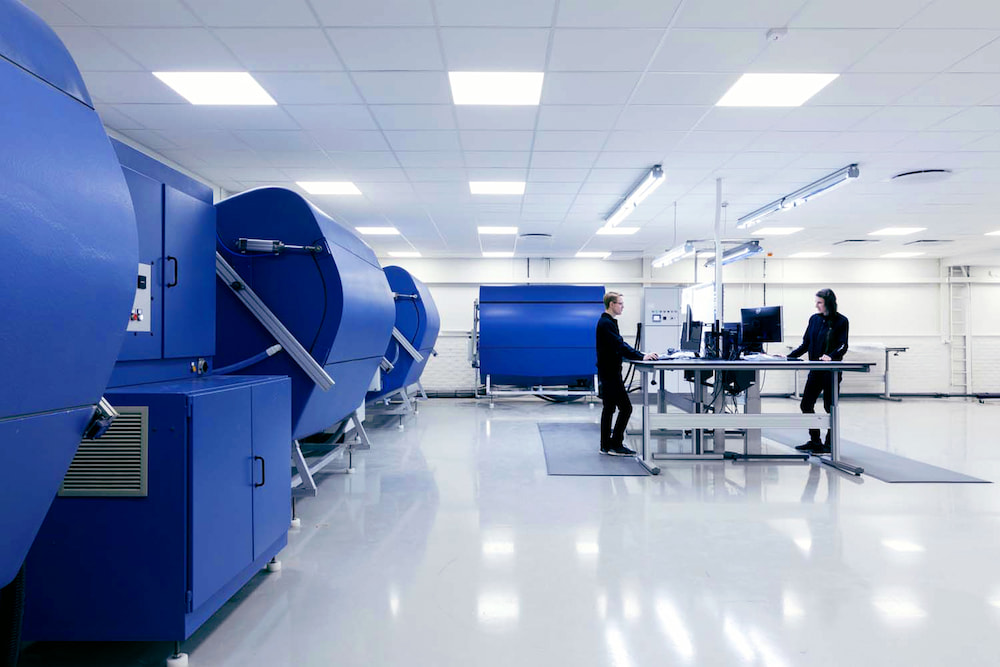
Laboratory and equipment
Cotec Labs provides a 1200 sqm laboratory facility. Take a closer look at our laboratory
and equipment.
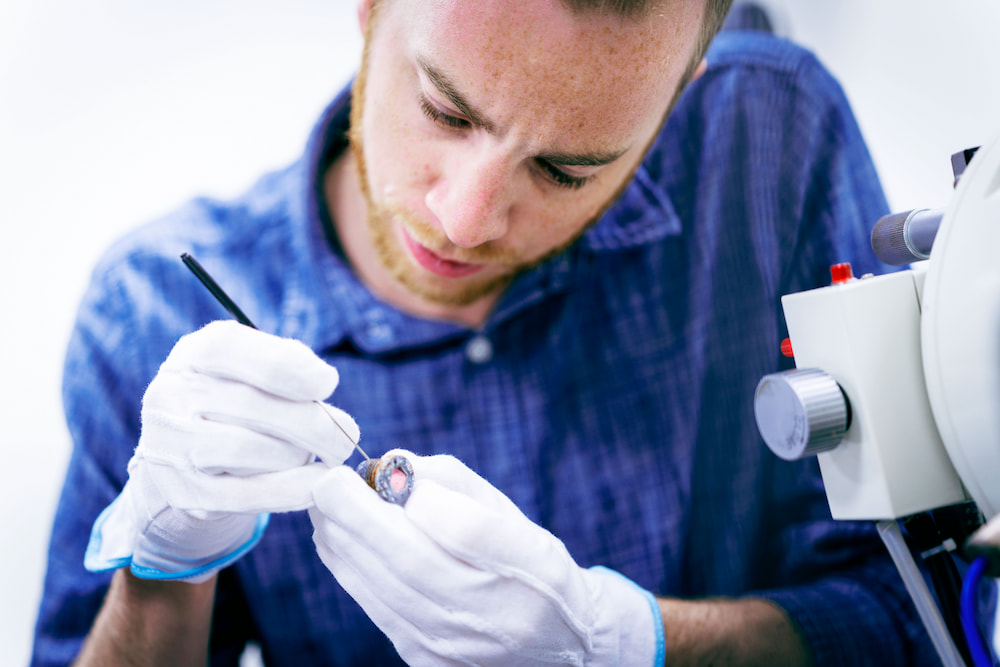
Quality and certificates
We are accredited by Swedac and part of the international accreditation network ILAC.