
Methods & requirements
ASTM G154 Test
What is ASTM G154?
ASTM G154 is a standard practice for operating fluorescent ultraviolet (UV) lamp apparatus for exposure of nonmetallic materials. This widely recognized testing standard provides you with a framework for accelerated weathering testing that simulates the degradation effects of natural outdoor exposure. When you implement ASTM G154 testing, you can evaluate how ultraviolet radiation affects your materials’ mechanical properties, from tensile strength and flexibility to loss of plasticity and hardness over time. When you need to evaluate how your products will perform over time, this test method helps determine resistance to environmental factors in a controlled laboratory setting.

How ASTM G154 Works
The core of ASTM G154 involves exposing samples to cycles of UV light and moisture under carefully controlled conditions. The fluorescent UV lamps used in this process typically simulate different wavelength distributions found in natural sunlight. You can select from several lamp types including UV-A and UV-B depending on your specific testing requirements. The lamp’s irradiance level is precisely measured and maintained throughout the testing process to ensure consistent exposure.
Your product’s exposure to sunlight can cause significant degradation of carbon-based materials – from fading and embrittlement of polymers to reduced adhesion in coatings and weakened structural integrity in textiles.
Test Parameters and Equipment
When implementing ASTM G154, you’ll need to define several key parameters:
- Light intensity
- Temperature control
- Moisture exposure cycles
- Accelerated weathering duration
The fluorescent lamp apparatus for exposure creates conditions that replicate years of outdoor weathering in just weeks or months. During testing, your materials will undergo alternating periods of UV light and condensation, with temperature typically ranging from ambient to 60°C or higher. These cycles simulate the day/night pattern that materials experience in actual outdoor exposure duration.
Applications Across Industries
ASTM G154 has become an essential testing protocol worldwide. You’ll find diverse industries embracing this standard as a critical quality assurance tool. Material developers across continents rely on this method to validate the weathering performance of:
- Polymeric compounds in outdoor infrastructure
- Organic coatings protecting architectural elements
- Technical textiles designed for extreme environments
- Rubber components exposed to harsh weather conditions
- Protective films and laminates for consumer electronics
- Specialty adhesives in transportation applications
This test method helps you identify how materials will respond to real-world exposure conditions before market launch, allowing for optimization of formulations and performance characteristics. By integrating ASTM G154 into your development process, you gain valuable insights about potential material failures without waiting years for natural weathering results. This test method is particularly valuable when you need to evaluate color change, cracking, chalking, or loss of physical properties in materials intended for outdoor use.
Establishing Performance Requirements
One significant challenge in accelerated weathering is establishing a direct correlation between accelerated test results and actual outdoor exposure duration. While ASTM G154 testing provides relative rankings of material durability, the correlation to real-world performance varies based on specific materials and environments. You should use this testing standard as part of a comprehensive evaluation process that may include other test methods and outdoor exposure studies.
Benefits of ASTM G154 Testing
By incorporating ASTM G154 into your testing program, you gain several advantages:
- Early identification of potential material failures
- Comparison of alternative formulations
- Verification of compliance with industry standards
- Development of performance requirements for new products
- Quality control of production materials
Using ASTM G154, you as a manufacturer can gain invaluable insight into your products’ long-term durability, discover potential weaknesses before they reach the market, and ensure materials meet industry-specific requirements for weather resistance and UV tolerance.
Selecting the Right Test Cycle
ASTM G154 offers flexibility in test cycles to simulate different exposure environments. You’ll need to select the appropriate cycle based on your specific application and the performance requirements of your materials. The standard practice provides several exposure cycles, but you can also develop custom cycles to better match your intended end-use environment.
Technical Considerations for Reliable Results
For accurate and reproducible results, you should ensure:
- Proper calibration of the fluorescent ultraviolet UV lamp apparatus
- Regular monitoring of the lamp’s irradiance level
- Consistent temperature and humidity control
- Appropriate sample preparation and mounting
- Standardized evaluation of exposed samples
How Testing Relates to Real-World Performance
While accelerated weathering testing provides valuable data on material degradation, it’s important to understand that the correlation between test results and actual field performance is not always straightforward. The standard practice for operating these tests helps you evaluate relative performance, but typically cannot provide absolute predictions of service life without supporting field data.
Making Informed Material Selections
By using ASTM G154 in accordance with industry standards, you can make more informed decisions about material selection for your products. The test results help you determine which materials will best withstand the environmental stressors they’ll face during their service life, allowing you to establish appropriate performance requirements.
Getting Started with ASTM G154 Testing
When you’re ready to implement ASTM G154 testing for your materials, consider working with an experienced testing laboratory that can help you select the appropriate test conditions and evaluate results. Their technical content expertise can help you interpret how accelerated weathering testing results relate to your specific application needs.
Looking Beyond Basic Testing
For comprehensive material evaluation, consider combining ASTM G154 with other complementary test methods. This approach provides a more complete picture of how your materials will perform under various environmental stressors. Remember that while accelerated weathering testing is a powerful tool, it works best as part of a holistic testing strategy.
Technical Comparison: ASTM G154 (Fluorescent UV) vs. ASTM G155 (Xenon Arc)
| Feature | ASTM G154 (Fluorescent UV) | ASTM G155 (Xenon Arc) |
|---|---|---|
| Light Source | Fluorescent UV Lamps | Xenon Arc Lamps |
| Spectrum | Specific UV wavelengths | Full spectrum (UV, Visible, IR) |
| Simulation | Short-wave UV focused | Close match to natural sunlight |
| Best For | Economic screening, UV-stability | Color change & outdoor evaluation |
ASTM G154 lab
An ASTM G154 lab is a specialized testing facility equipped with fluorescent ultraviolet (UV) lamp apparatus to perform accelerated weathering tests on nonmetallic materials. Our laboratory exposes samples to controlled cycles of UV radiation, moisture, and designated temperatures to evaluate relative material degradation under environmental stress.
- We use calibrated fluorescent UV lamps (such as UV-A or UV-B) with controlled condensation cycles and specified exposure temperatures to accelerate weathering processes.
- We evaluate polymers, organic coatings, technical textiles, rubber, protective films, and adhesives for cracking, chalking, color fading, and loss of mechanical properties.
- Accelerates material degradation for rapid comparative testing and quality assurance, though exact correlation to natural outdoor exposure duration varies by material, formulation, and test cycle parameters.
Frequently Asked Questions
What is the difference between ASTM G154 and G155?
The main difference between ASTM G154 and G155 is the light source used for accelerated weathering testing. ASTM G154 uses fluorescent ultraviolet lamps that produce specific wavelengths of UV light, while ASTM G155 employs xenon arc lamps that simulate a fuller spectrum of sunlight, including visible and infrared wavelengths. G154 is typically more economical to operate but G155 provides a closer match to natural sunlight, making it preferable for materials where visible light and infrared radiation are significant degradation factors.
What is ASTM G154 and what is it used for?
ASTM G154 is a standard practice for operating fluorescent ultraviolet lamp apparatus for exposure of nonmetallic materials. It’s used to conduct accelerated weathering testing that simulates the degradation effects of natural outdoor exposure in a controlled laboratory environment. This test method helps evaluate how materials will resist UV light, moisture, and temperature over time, allowing you to predict product durability and establish performance requirements before actual outdoor exposure.
What materials are tested according to ASTM G154?
ASTM G154 is primarily used to test nonmetallic materials including:
- Plastics and polymers of all types
- Coatings, paints, and finishes
- Roofing materials
- Textiles, fabrics, and fibers
- Adhesives and sealants
- Printed materials and inks
- Wood and wood composites
- Rubber and elastomers
Have a question? Contact us!
Our most common corrosion tests
Talk to our corrosion test experts
Are you interested in conducting a test? Feel free to contact us – we’re here to assist you every step of the way.
Joakim Ekström
Erik Waltersson
Accredited by SWEDAC
and part of the international accreditation network ILAC


Methods and requirements
We offer a comprehensive and continuously expanding lab-scope of over 300 available test methods and standards.
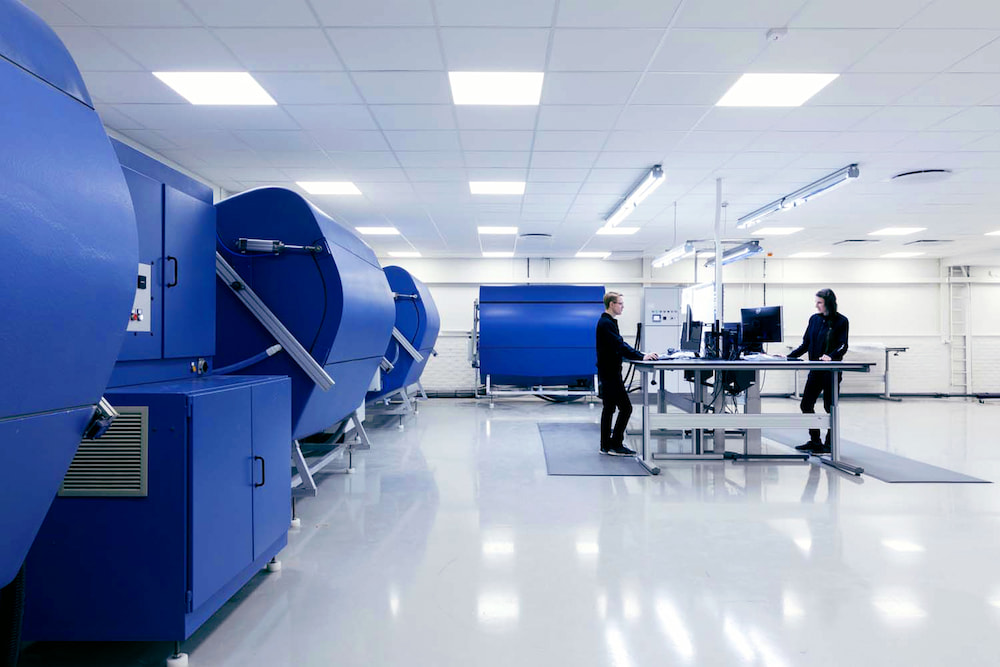
Laboratory and equipment
Cotec Labs provides a 1200 sqm laboratory facility. Take a closer look at our laboratory
and equipment.
Quality and certificates
We are accredited by Swedac and part of the international accreditation network ILAC.