
Methods & requirements
ASTM G155 Test
Understanding the Basic Principles of ASTM G155
ASTM G155 is a standardized practice for operating xenon arc light apparatus for exposure of materials to accelerated weathering. The principles behind this testing method are designed to simulate natural sunlight and moisture effects on various materials. When you need to evaluate how your products will withstand environmental conditions, xenon arc testing provides reliable data by reproducing weathering effects that occur during real-world exposure.

How ASTM G155 Defines Specific Exposure Conditions
The testing procedures in ASTM G155 utilize xenon arc lamp apparatus to create controlled environmental conditions. These principles allow for obtaining accurate results by simulating exposure to elements similar to natural sunlight. Unlike other methods, ASTM G155 precisely defines specific exposure conditions for different applications, making it an excellent means of predicting material durability.
Key Equipment and Operating Parameters
The xenon arc light is the primary equipment used in ASTM G155 testing. This sophisticated system is intended to recreate the full spectrum of sunlight exposure while maintaining precise temperature control. The testing parameters can be varied based on your specific requirements, with moisture exposure cycles that replicate rain, humidity, and dew conditions.
Principles of Accelerated Weathering Testing
Accelerated weathering using xenon arc methods provides significant advantages over natural exposure testing. The principles of obtaining reliable results depend on properly configured exposure cycles. Materials exposed to these conditions demonstrate weathering effects similar to those seen in natural environments, but in a fraction of the time. This allows you to evaluate material properties and durability without waiting for years of actual outdoor exposure.
Exposure Cycles and Test Parameters
When operating under ASTM G155 guidelines, exposure cycles typically alternate between light and moisture phases. The testing procedures can be customized with varied parameters to simulate different environmental conditions, from window glass exposure to harsh outdoor settings. These procedures are limited only by the specific requirements of your materials and intended application.
Materials Typically Tested Using ASTM G155
- Paints and coatings
- Plastics and polymers
- Textiles and fabrics
- Construction materials
- Automotive components
The practice of xenon arc testing provides a method for obtaining valuable data on how these materials will perform when exposed to sunlight and moisture over time.
Benefits of Xenon Arc Over Other Methods
The xenon arc light apparatus used in ASTM G155 testing offers superior simulation of natural sunlight compared to other accelerated weathering methods. This specific method allows for obtaining more accurate predictions of how materials will perform in real-world conditions. When you need reliable results, the principles of ASTM G155 testing deliver consistent data that helps evaluate long-term material resistance.
| Standard | Light Source | Spectrum Focus | Typical Application |
|---|---|---|---|
| ASTM G155 | Xenon Arc Lamp | Full spectrum (UV, Visible, IR) | Outdoor products & color change evaluation |
| ASTM G154 | Fluorescent UV Lamps | UV-spectrum primarily | Indoor or limited outdoor exposure |
Comparing Accelerated Weathering Results
When interpreting accelerated weathering test results, it’s important to understand that the correlation between laboratory exposure and natural weathering is not always straightforward. However, ASTM G155 provides a reliable method for obtaining comparative data that can help predict relative performance. These principles are widely accepted for evaluating material durability and making informed product development decisions.
ASTM G155 lab
An ASTM G155 lab is a specialized testing facility equipped with xenon arc light apparatus to perform accelerated weathering testing on nonmetallic materials. Our laboratory reproduces the degradation effects of full-spectrum natural sunlight (including UV, visible, and infrared radiation) combined with controlled moisture cycles to evaluate relative material durability.
- Utilizes xenon arc lamps and controlled moisture phases to simulate real-world exposure conditions like sunlight, humidity, dew, and rain.
- Tests paints, coatings, plastics, technical textiles, automotive components, and construction materials for resistance to environmental stressors and color change.
- Provides critical comparative data to evaluate material formulations and predict relative performance without waiting for extended natural outdoor exposure.
Working with Cotec Labs
When interpreting accelerated weathering test results, it’s important to understand that the correlation between laboratory exposure and natural weathering is not always straightforward. However, ASTM G155 provides a reliable method for obtaining comparative data that can help predict relative performance. These principles are widely accepted for evaluating material durability and making informed product development decisions.
Frequently Asked Questions
What materials can be tested using ASTM G155?
ASTM G155 testing can be applied to a wide range of materials including plastics, textiles, coatings, and composite materials that need to withstand outdoor exposure.
How does ASTM G155 differ from other weathering tests?
Unlike some other methods, ASTM G155 uses xenon arc lamps that more accurately simulate the full spectrum of natural sunlight, including UV, visible, and infrared radiation.
What is the difference between ASTM G155 and ASTM G154?
The key difference is in the light source used: ASTM G155 uses xenon arc lamps that closely simulate full-spectrum natural sunlight, while ASTM G154 uses fluorescent UV lamps. Xenon arc testing (G155) is typically better for outdoor products and color change evaluation, while fluorescent UV testing (G154) is often used for products with indoor or limited outdoor exposure.
Can ASTM G155 predict exactly how long a material will last outdoors?
While accelerated weathering testing provides valuable comparative data, it cannot give an exact prediction of years of service life due to the varied and complex nature of outdoor exposure conditions.
Have a question? Contact us!
Our most common corrosion tests
Talk to our corrosion test experts
Are you interested in conducting a test? Feel free to contact us – we’re here to assist you every step of the way.
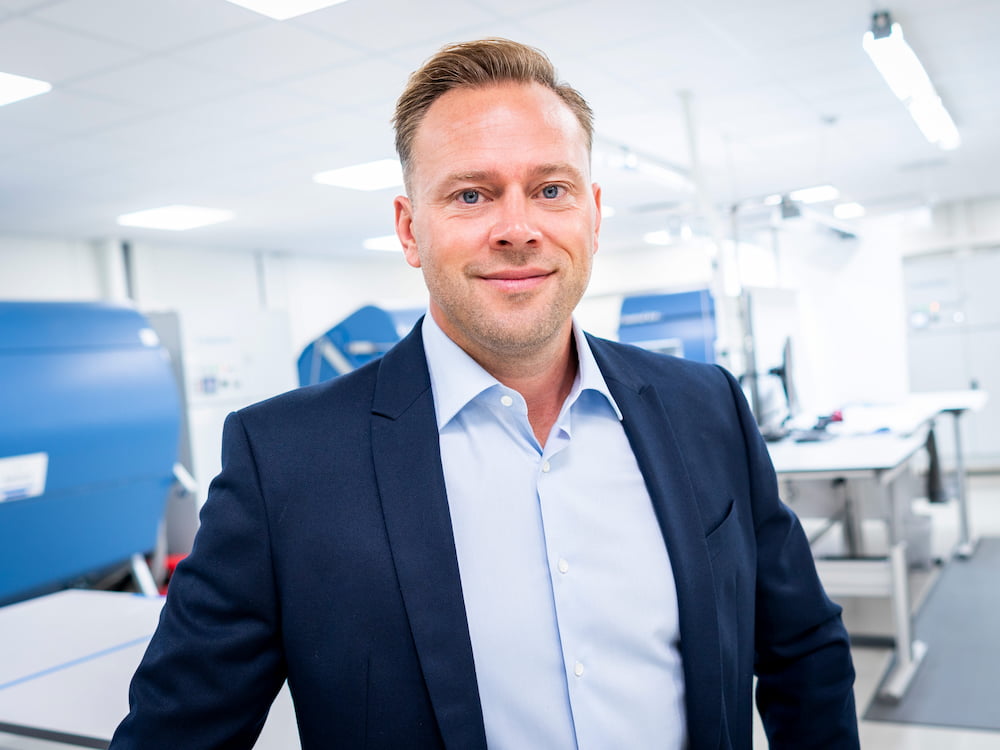
Joakim Ekström
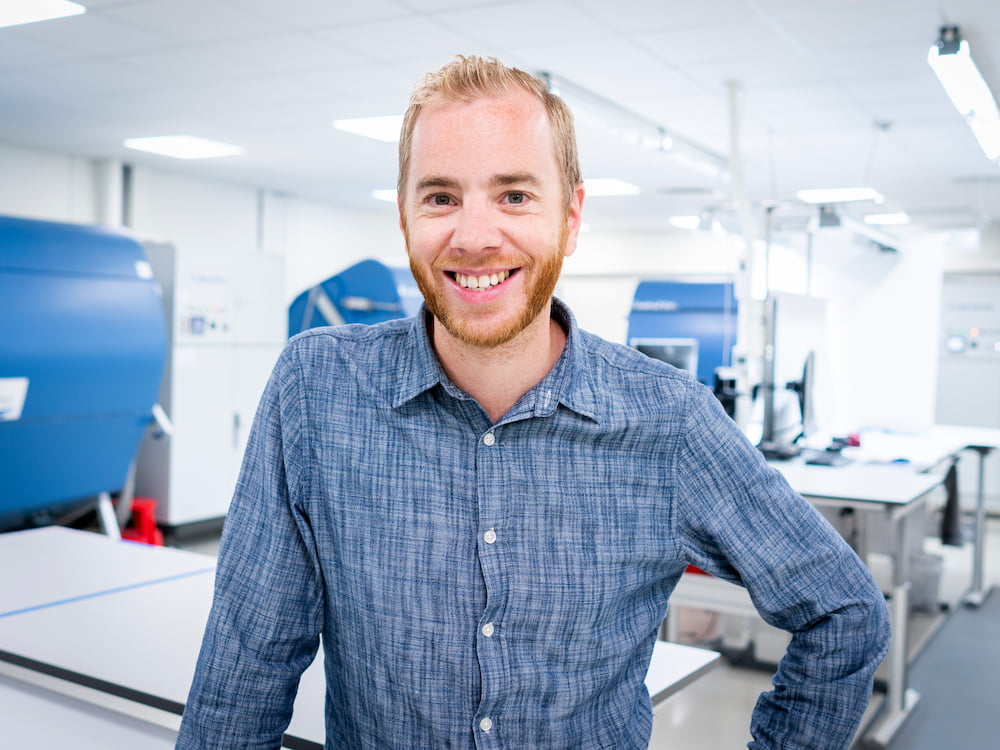
Erik Waltersson
Accredited by SWEDAC
and part of the international accreditation network ILAC


Methods and requirements
We offer a comprehensive and continuously expanding lab-scope of over 300 available test methods and standards.
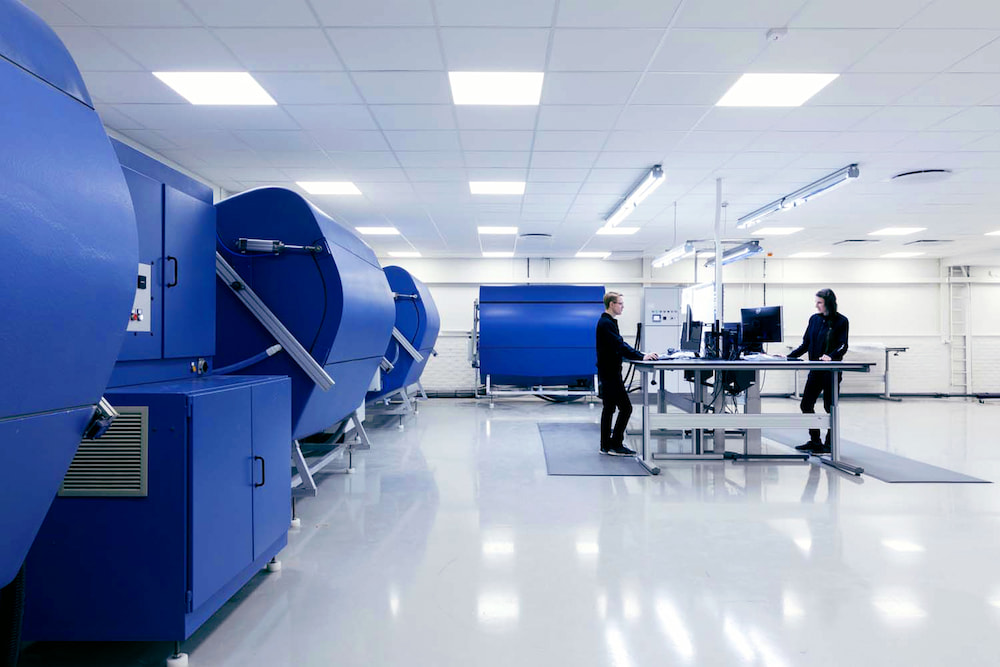
Laboratory and equipment
Cotec Labs provides a 1200 sqm laboratory facility. Take a closer look at our laboratory
and equipment.
Quality and certificates
We are accredited by Swedac and part of the international accreditation network ILAC.