
Methods & requirements
Scania STD 4319
Scania STD 4319 is an accelerated cyclic corrosion test (ACT 1) designed to evaluate organic and inorganic coatings on ferrous substrates. The weekly cycle utilizes a 1% NaCl solution at pH 4.2, alternating between sub-cycles of variable humidity (50-90% RH) and temperatures ranging from 35-45°C to simulate atmospheric chloride-ion influence.

Accelerated corrosion testing by Scania STD4319, ACT 1
Scania STD4319 is a cyclic corrosion test used for vehicle parts. The method is developed by Scania for the purpose of assessing corrosion resistance of metals in environments influenced by chloride ions in the salt mist, in this case rain.
The standard Scania STD4319 describes an accelerated corrosion test procedure mainly suitable for testing the corrosion resistance of organic and inorganic coatings on ferrous substrates.
The method is called ACT or ACT1 which is an abbreviation of accelerated corrosion test, ACT version 1. Accelerated corrosion test is performed in test chambers where atmospheric corrosion conditions are simulated by using influence of chloride ions from a salt solution (NaCl) and variation in humidity and temperature in a controlled and standardized way.
Test procedure and assessment
Samples to be tested for corrosion resistance according to Scania STD4319 are tested in controlled climate chambers during a defined exposure time. The exposure time in the chamber is described by requirement standards and requirement level and depends amongst other on the surface treatment of the test samples.
The accelerated corrosion test is finished when the specified exposure time for the test samples is reached. Upon finishing of the corrosion testing the samples are evaluated for corrosion resistance. Several assessments are applicable: general corrosion, appearance (RA oxidation) and rust protection degree (Rp base metal corrosion) by ISO 10289, propagation from scribe and evaluation of edge corrosion.
Test cycle
During a corrosion resistance test according to Scania STD4319 the atmospheric corrosion conditions are accelerated using a cyclic corrosion test method in a controlled chamber.
The test cycles consist of controlled humidity and temperature cycling with application of salt by rain phase. One test cycle corresponds to one week of testing. The one-week test cycle is composed of two twelve-hour sub-cycles, where sub-cycle 1 consists of controlled humidity and temperature cycling, while sub-cycle 2 also contains the salt application by salt spray.
The variation in temperature is 35-45 degrees C and the relative humidity (humidity % RH) reaches from 50 to 90. The rain corresponds to pH 4,2 and 1% NaCl concentration.
Corrosion resistance requirements, STD4113 and STD4165
Corrosion resistance requirements for samples tested by Scania STD4319 are specified by requirement standards. The requirements depend on coating of the samples and the environment the samples are exposed to during position in the vehicle.
Example of requirement standards where accelerated corrosion testing by test method Scania STD4319 is required are
- Scania STD 4111
- Scania STD 4113
- Scania STD 4165
A demand level for Scania can be described on the drawing as Scania STD4111-C3-PP pointing towards exposure by cyclic corrosion test STD4319 for 6 weeks. In other cases when inorganic coatings like ZnNi, Zn or Flake Coating Systems is used, Scania STD4111-B3-IF is verified in 4 weeks with the same accelerated corrosion test as per STD 4319.
Have a question? Contact us!
Our most common corrosion tests
Talk to our corrosion test experts
Are you interested in conducting a test? Feel free to contact us – we’re here to assist you every step of the way.

Joakim Ekström

Erik Waltersson
Accredited by SWEDAC
and part of the international accreditation network ILAC



Methods and requirements
We offer a comprehensive and continuously expanding lab-scope of over 300 available test methods and standards.
Laboratory and equipment
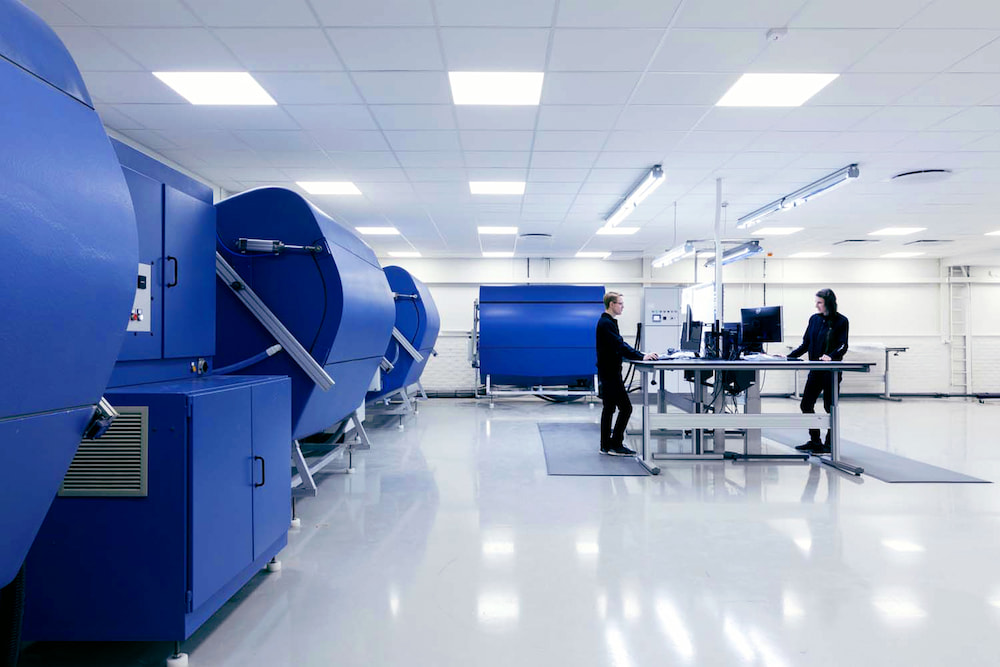
Cotec Labs provides a 1200 sqm laboratory facility. Take a closer look at our laboratory
and equipment.
Quality and certificates
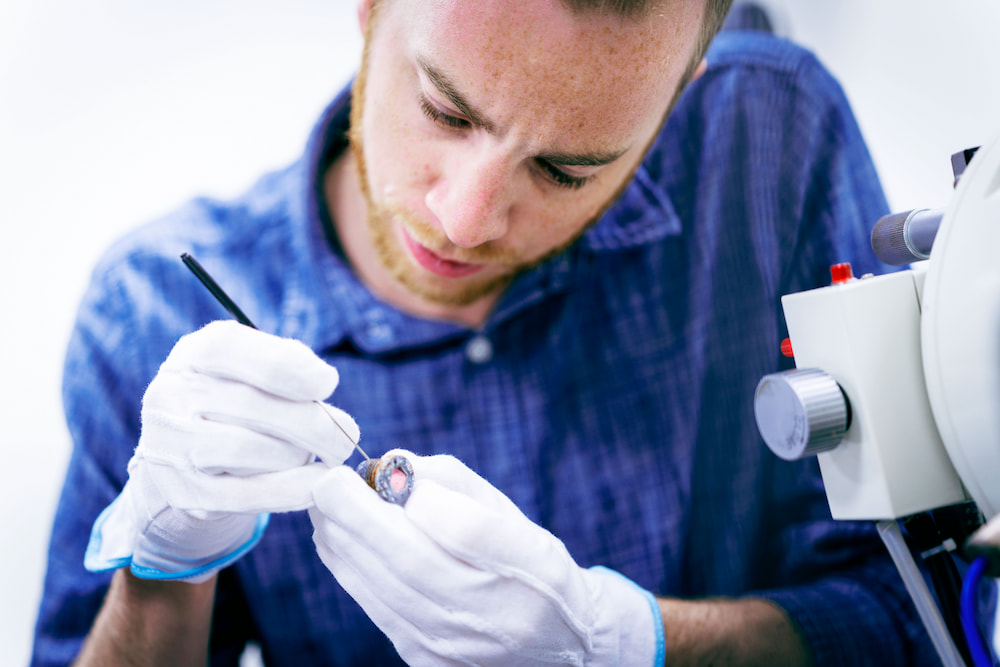
We are accredited by Swedac and part of the international accreditation network ILAC.